Reduce Cost & Save Time for Products Made in China

  • What Is the Meaning of HVAC Ducting

    Heating, Ventilation, and Air Conditioning (HVAC) systems are the backbone of comfortable, healthy indoor environments—but their performance hinges on a often-overlooked component: HVAC ducting. Far more than just “pipes for air,” ducting forms a engineered network that dictates how conditioned air (heated, cooled, or filtered) moves throughout a building, impacting energy efficiency, indoor air quality (IAQ), and occupant comfort. Understanding HVAC ducting—its purpose, components, design principles, and maintenance needs—is critical for facility managers, homeowners, and HVAC professionals alike. This guide breaks down the core meaning of HVAC ducting, its key elements, and why it matters for optimal system performance.  

    The Fundamental Meaning of HVAC Ducting

    At its core, HVAC ducting (or ductwork) is a system of enclosed pathways—typically made of metal, fiberglass, or flexible materials—designed to transport air between the HVAC unit and the spaces it serves. Its primary role is twofold:  

    1. Distribution: Deliver conditioned air (heated in winter, cooled in summer) from the air handler to rooms via “supply ducts.”  

    2. Recirculation: Pull used, stale air back to the HVAC unit via “return ducts” for reconditioning (heating/cooling) or filtration—creating a closed-loop airflow cycle.  

    This process is not just about comfort: ducting also supports ventilation by integrating fresh outdoor air (via intake ducts) and expelling contaminants (via exhaust ducts), ensuring IAQ meets health standards (e.g., ASHRAE 62.1 for ventilation). Without properly designed ducting, even the most advanced HVAC unit will fail to heat/cool spaces evenly, waste energy, or circulate pollutants.  

    Key Components of HVAC Ducting Systems  

    HVAC ducting is a modular system, with each component serving a specific role in airflow management. No single part works in isolation—their synergy determines overall efficiency:  

    | Component               | Function                                                                 |  

    |————————-|————————————————————————–|  

    | Supply Ducts        | Carry conditioned air from the air handler to rooms; often smaller in diameter than return ducts. |  

    | Return Ducts        | Collect stale air from rooms and route it back to the HVAC unit; larger diameter to minimize airflow resistance. |  

    | Air Handler Connection | The “hub” where ducts attach to the HVAC unit (furnace, air conditioner, or heat pump), ensuring air flows into/out of the system without leaks. |  

    | Vents & Grilles     | Visible openings that distribute air into rooms (supply vents) or draw air into return ducts (return grilles). They may include dampers to adjust airflow. |  

    | Dampers             | Adjustable valves within ducts that control airflow to specific zones (e.g., closing dampers to reduce air to unused rooms). Critical for “zoned HVAC” systems. |  

    | Plenums             | Large, box-like sections that connect the air handler to main ducts. Supply plenums distribute air to multiple supply ducts; return plenums collect air from multiple return ducts. |  

    | Insulation          | Wraps or liners (e.g., fiberglass, foam) around ducts to prevent heat gain/loss as air travels (e.g., cool air warming up in unconditioned attics). |  

    Common Types of HVAC Ducts and Materials  

    Ducts are categorized by their material and rigidity, with each type suited to specific building needs (e.g., space constraints, budget, IAQ goals):  

    1. By Material/Rigidity  

    – Sheet Metal Ducts: The most durable option, made from galvanized steel or aluminum. They resist mold, are easy to clean, and have low air leakage. Ideal for commercial buildings, industrial facilities, or homes where longevity is a priority. However, they require professional installation (cutting, welding) and are less flexible for tight spaces.  

    – Flexible Ducts: Constructed from a wire coil covered in plastic or fiberglass. They are lightweight, easy to install in narrow spaces (e.g., between joists), and cost-effective. Best for residential use or retrofits but prone to kinking (which restricts airflow) if not installed properly.  

    – Fiberglass Duct Board: A rigid board made of fiberglass with a foil facing. It acts as both ducting and insulation, reducing heat loss/gain. Suitable for commercial buildings but requires careful sealing to prevent fiberglass fibers from entering the air (a potential IAQ hazard).  

    – Fiberboard Ducts: Compressed wood fibers bonded with resin, often lined with foil for moisture resistance. They are inexpensive and quiet (dampen airflow noise) but less durable than metal and prone to damage from moisture.  

    How HVAC Ducting Works: The Airflow Cycle  

    HVAC ducting operates as part of a closed-loop system, with airflow driven by the HVAC unit’s blower fan. The process unfolds in four key steps:  

    1. Air Intake & Conditioning: The HVAC unit pulls in two air streams:  

       – Fresh outdoor air: Drawn in via intake ducts to meet ventilation requirements.  

       – Return air: Stale air from rooms, pulled through return grilles and return ducts.  

       These streams mix, then pass through filters (to remove dust/pollutants) and the HVAC unit’s heat exchanger (for heating) or evaporator coil (for cooling) to become “conditioned air.”  

    2. Supply Distribution: The blower fan pushes conditioned air into the supply plenum, which splits it into smaller supply ducts. Each supply duct routes air to specific rooms via supply vents, where it is released into the space.  

    3. Room Airflow: Conditioned air circulates throughout the room, adjusting temperature and diluting contaminants.  

    4. Return & Recirculation: Stale air (now warmer/cooler than desired) is pulled back into the system via return grilles, traveling through return ducts to the HVAC unit. The cycle repeats, with a portion of stale air sometimes exhausted outdoors (via exhaust ducts) to maintain fresh air balance.  

    Why Proper Ducting Design & Installation Matters  

    Poorly designed or installed ducting undermines even the most efficient HVAC units. Here’s why quality matters:  

    1. Energy Efficiency  

    – Air Leakage: Undersized, poorly sealed ducts can lose 20–30% of conditioned air (per ENERGY STAR). For example, cool air leaking from supply ducts in an unconditioned attic will force the AC to work harder to cool the home, increasing energy bills by 10–20%.  

    – Airflow Resistance: Sharp bends, kinks (in flexible ducts), or undersized ducts create resistance, forcing the blower fan to use more energy to move air.  

    2. Indoor Air Quality  

    – Contaminant Infiltration: Leaky return ducts can pull in pollutants (dust, mold spores, radon) from unconditioned spaces (crawlspaces, attics) and circulate them throughout the building.  

    – Mold Growth: Moisture-laden air (e.g., from leaky ducts) can condense on duct surfaces, fostering mold growth—particularly in fiberglass or fiberboard ducts.  

    3. Occupant Comfort  

    – Temperature Imbalances: Uneven airflow (e.g., too much air to one room, too little to another) creates hot/cold spots. For example, a bedroom with a blocked supply vent may be 5–10°F warmer than the rest of the house.  

    Common HVAC Ducting Problems & Maintenance Tips  

    Even well-designed ducting degrades over time. Addressing issues early prevents costly inefficiencies:  

    Common Problems  

    – Air Leaks: Visible gaps at duct joints, or hissing noises from ducts (indicates air escaping).  

    – Blockages: Dust, debris, or pests (e.g., rodents) clogging ducts or vents, reducing airflow.  

    – Poor Insulation: Ducts in unconditioned spaces (attics, basements) without insulation lose significant heat/cool air.  

    – Duct Sagging: Flexible or poorly supported ducts sag, restricting airflow.  

    Maintenance Tips  

    1. Seal Leaks: Use metal tape or mastic sealant (not duct tape, which degrades over time) to seal gaps at joints. For large leaks, consult a professional.  

    2. Clean Ducts: Have ducts professionally cleaned every 3–5 years (more often if you have pets, allergies, or mold issues) to remove dust and contaminants.  

    3. Inspect Insulation: Check insulation on ducts in unconditioned spaces—replace damaged or missing insulation to reduce energy loss.  

    4. Clear Vents/Grilles: Regularly vacuum supply vents and return grilles to prevent blockages. Ensure furniture or rugs do not cover vents.  

    Special Case: Dryer Vent Ducts (A Critical Duct Variation)  

    While not part of HVAC’s core air conditioning/heating cycle, dryer vent ducts are a specialized type of ducting that shares design principles with HVAC systems. Their role is to expel hot, moisture-laden air from clothes dryers to the outdoors—preventing mold growth (from trapped moisture) and fire hazards (from lint buildup). Unlike HVAC ducts, dryer vents are typically short (≤35 feet) and made of rigid metal (to resist lint fires; flexible plastic is discouraged due to fire risk).  

    Conclusion: Why HVAC Ducting Is Non-Negotiable  

    HVAC ducting is the “circulatory system” of a building’s indoor environment—without it, conditioned air cannot reach occupants, and stale air cannot be removed. Understanding its meaning, components, and function empowers you to:  

    – Reduce energy bills by ensuring efficient airflow.  

    – Protect IAQ by preventing contaminant circulation.  

    – Maintain consistent comfort throughout the building.  

    Whether you’re installing a new HVAC system, retrofitting an existing one, or performing maintenance, prioritizing ducting quality will pay dividends in long-term performance, cost savings, and occupant health.
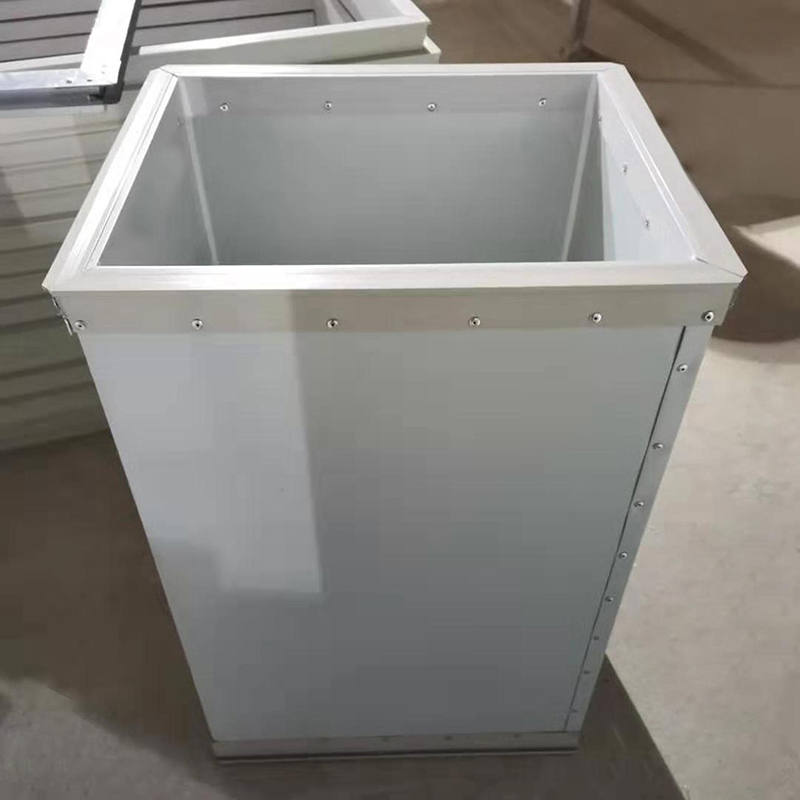
  • Imperial Galvanized Steel Stack Ductwork A Durable Solution for HVAC Airflow Systems

    In commercial, industrial, and large-scale residential HVAC systems, stack ductwork—vertical or angled ducts that vent exhaust air, supply conditioned air to multi-story spaces, or connect central units to upper floors—demands materials that balance strength, corrosion resistance, and airflow efficiency. Imperial galvanized steel stack ductwork stands out in this niche, leveraging the durability of galvanized steel with dimensions tailored to imperial measurements (inches, feet) for compatibility with North American HVAC infrastructure. But what makes this material superior to alternatives like aluminum, flexible ducting, or non-galvanized steel? How does its design optimize stack-specific challenges (e.g., vertical airflow, moisture exposure)? This guide explores its core benefits, material advantages, installation best practices, and industry applications.  

    What Is Imperial Galvanized Steel Stack Ductwork?  

    Imperial galvanized steel stack ductwork is a specialized type of HVAC ducting engineered for vertical or steeply angled airflow applications (e.g., exhaust stacks for commercial kitchens, multi-story building supply ducts, industrial ventilation shafts). Its defining characteristics include:  

    1. Imperial Sizing: Manufactured to North American imperial standards (e.g., 6-inch diameter round ducts, 12×8-inch rectangular ducts) for seamless integration with existing imperial-sized HVAC components (fans, dampers, vents).  

    2. Galvanized Steel Construction: Cold-rolled steel coated with a hot-dipped zinc layer (typically 0.8–1.2 oz/sq ft zinc thickness). The zinc acts as a sacrificial anode, protecting the steel from rust and corrosion—critical for stack ductwork, which often operates in moisture-prone environments (e.g., building crawlspaces, rooftop exhausts).  

    3. Rigid, Structural Design: Unlike flexible ducting, it maintains its shape under vertical pressure (e.g., supporting its own weight in tall buildings) and resists deformation from airflow turbulence or external impacts.  

    This combination makes it ideal for stack applications where durability, airflow consistency, and long service life are non-negotiable.  

    Core Benefits of Imperial Galvanized Steel Stack Ductwork  

    Stack ductwork faces unique challenges—vertical airflow resistance, moisture accumulation, and structural stress—that galvanized steel addresses better than alternative materials:  

    1. Superior Corrosion Resistance for Moisture-Prone Stacks  

    Stacks often vent warm, humid air (e.g., commercial kitchen exhaust, bathroom ventilation) or operate in unconditioned spaces (rooftops, basements) where moisture condenses on duct surfaces. The zinc coating on galvanized steel:  

    – Prevents rust formation even with repeated moisture exposure (service life of 20–30 years, vs. 5–10 years for non-galvanized steel).  

    – Eliminates the need for frequent repainting or coating (a common maintenance task for non-galvanized stack ducts).  

    For example, a rooftop exhaust stack made of imperial galvanized steel will resist rain, snow, and condensation-induced corrosion—unlike aluminum ducts, which may develop pitting in salty coastal environments.  

    2. Structural Strength for Vertical Installations  

    Vertical stack ducts must support their own weight (and sometimes insulation) over multiple floors (e.g., 10-story office buildings). Galvanized steel’s high tensile strength (30–50 ksi) and rigidity:  

    – Eliminates sagging or deformation, which would restrict airflow in flexible or lightweight aluminum ducts.  

    – Withstands external impacts (e.g., maintenance workers, rooftop equipment) without damage—critical for industrial or commercial settings.  

    A 12-inch diameter imperial galvanized steel stack can span 20+ feet between supports, vs. 8–10 feet for aluminum ducts (which require more frequent bracing).  

    3. Optimized Airflow Efficiency for Stacks  

    Stack ductwork relies on consistent airflow to overcome gravity (for supply stacks) or expel exhaust (for exhaust stacks). Galvanized steel’s advantages here include:  

    – Smooth Interior Surface: The zinc coating creates a low-friction interior, reducing airflow resistance (pressure drop) by 10–15% compared to rough-surfaced materials like fiberglass duct board.  

    – Precise Sizing: Imperial galvanized ducts are manufactured to tight tolerances (±0.01 inches), ensuring uniform diameter/width—critical for maintaining airflow velocity in vertical runs (too narrow, and airflow slows; too wide, and energy is wasted).  

    For a multi-story apartment building’s supply stack, this efficiency translates to consistent heating/cooling across all floors—no “cold bottom floors” or “hot top floors” common with poorly sized or flexible ducts.  

    4. Cost-Effectiveness Over Lifespan  

    While imperial galvanized steel has a higher upfront cost than flexible ducting or non-galvanized steel, its long service life and low maintenance needs deliver lower total cost of ownership (TCO):  

    – Reduced Replacement Costs: Lasts 2–3x longer than aluminum or flexible ducts, delaying replacement expenses by 15–20 years.  

    – Minimal Maintenance: No need for rust removal, repainting, or frequent repairs—annual inspections (vs. quarterly for aluminum) suffice.  

    For a commercial facility, the TCO of an imperial galvanized steel stack is 30–40% lower than aluminum over 20 years.  

    How Imperial Galvanized Steel Compares to Alternative Stack Duct Materials  

    To understand its value, compare it to common stack duct materials:  

    | Material               | Key Advantage for Stacks                          | Key Disadvantage for Stacks                          |  

    |————————|—————————————————|—————————————————|  

    | Imperial Galvanized Steel | Corrosion resistance, structural strength, long lifespan | Higher upfront cost; heavier (requires more robust supports) |  

    | Aluminum           | Lightweight (easier to install); good for coastal areas | Low strength (sags in long vertical runs); prone to pitting in industrial environments |  

    | Flexible Ducting   | Low upfront cost; easy to route in tight spaces | Poor airflow (kinks restrict vertical airflow); degrades quickly in moisture |  

    | Non-Galvanized Steel | Low upfront cost; high strength | Rapid corrosion in stacks (requires frequent repainting); short lifespan |  

    Installation Best Practices for Imperial Galvanized Steel Stack Ductwork  

    Proper installation is critical to maximizing its performance—especially for vertical stacks:  

    1. Plan for Vertical Airflow and Support  

    – Support Spacing: Follow imperial standards (e.g., 10–15 feet for round ducts, 8–12 feet for rectangular ducts) to prevent sagging. Use galvanized steel hangers (not plastic) for compatibility and strength.  

    – Slope for Drainage: For exhaust stacks (e.g., kitchen, bathroom), angle the duct slightly (1/4 inch per foot) toward the outdoor vent to drain condensation—preventing water buildup inside the stack.  

    2. Ensure Airtight Connections  

    – Seal Joints: Use galvanized steel screws (to avoid corrosion) and mastic sealant (not duct tape, which degrades) to seal all joints. For high-pressure stacks (e.g., industrial exhaust), add a gasket between flanged connections.  

    – Minimize Leaks: Even small leaks (1–2% of duct area) can reduce stack efficiency by 10–15%. Test connections with a smoke pencil or pressure gauge after installation.  

    3. Insulate for Energy Efficiency and Condensation Control  

    – Insulate Unconditioned Runs: Wrap stack ducts in the attic, rooftop, or basement with fiberglass or foam insulation (R-value ≥6) to prevent heat gain/loss and condensation.  

    – Use Vapor Barriers: For humid exhaust stacks, add a vapor barrier to insulation to prevent moisture from seeping into the duct and causing corrosion.  

    Maintenance Tips to Extend Lifespan  

    1. Annual Inspections: Check for:  

       – Corrosion (pay special attention to joints and bottom of vertical stacks, where condensation collects).  

       – Loose supports or hangers (tighten or replace as needed).  

       – Blockages (e.g., lint in kitchen exhaust stacks, debris in rooftop vents)—clean with a duct brush or compressed air.  

    2. Clean Exhaust Stacks: For commercial kitchen or industrial exhaust stacks, have ducts professionally cleaned every 6–12 months to remove grease or debris (which can cause fires or airflow blockages).  

    3. Touch-Up Zinc Coating: If small scratches or chips occur (e.g., during maintenance), apply zinc-rich paint to prevent rust from spreading.  

    Ideal Applications for Imperial Galvanized Steel Stack Ductwork  

    This ductwork excels in scenarios where vertical airflow, durability, and corrosion resistance are critical:  

    – Commercial Buildings: Multi-story office, hotel, or apartment supply/exhaust stacks.  

    – Industrial Facilities: Exhaust stacks for factories, warehouses, or manufacturing plants (resists chemical fumes and moisture).  

    – Commercial Kitchens: Grease exhaust stacks (zinc coating resists grease-induced corrosion; smooth surface is easy to clean).  

    – Residential (Large): Rooftop exhaust stacks for multi-family homes or large single-family homes with vertical duct runs.  

  • Understanding Wire Harnesses: The Backbone of Modern Electronics

    In today’s technology-driven world, wire harnesses play a crucial role in the seamless operation of countless electronic devices and systems. From automotive and aerospace industries to household appliances and medical equipment, wire harnesses are essential for transmitting signals and electrical power efficiently. 

    What is a Wire Harness?

    A wire harness is a systematically organized bundle of wires, terminals, and connectors designed to transmit electrical power or signals. Unlike cable assemblies, which typically have a single exterior covering, wire harnesses consist of multiple insulated wires grouped together, often with various branches and termination points. This configuration not only simplifies the manufacturing process but also enhances the reliability and efficiency of electronic systems.

    Key Components of a Wire Harness

    1. Wires: The primary component, responsible for conducting electricity.
    2. Terminals: Connectors that join the wires to other components.
    3. Connectors: Facilitate the connection between wires and electronic devices.

    The Wire Harness Design and Manufacturing Process

    The creation of a wire harness begins with a meticulous design process that considers both geometric and electrical requirements. This involves:

    • Design and Schematic Development: Creating a blueprint that outlines the wire lengths, dimensions, and layout.
    • Prototyping: Developing a working model to test the design’s feasibility.
    • Production: Assembling the wire harness on test boards to ensure precision and functionality.

    Despite advancements in automation, many aspects of wire harness assembly remain manual due to the complexity of the end product. Key steps include:

    • Installing wires, terminals, and connectors on the build board.
    • Adding specialty components like relays and diodes.
    • Organizing wires with cable ties and wraps.
    • Cutting and crimping wires for secure terminal connections.

    Applications of Wire Harnesses

    Wire harnesses are indispensable across various industries, offering a streamlined solution for complex wiring needs. Some common applications include:

    • Automotive: Powering and controlling vehicle electronics.
    • Aerospace: Facilitating communication and power in aircraft systems.
    • Medical Equipment: Ensuring reliable operation of life-saving devices.
    • Consumer Electronics: Simplifying the assembly and maintenance of gadgets.
    • Industrial Machinery: Enhancing the efficiency of automated systems.

    Benefits of Using Wire Harnesses

    Wire harnesses offer several advantages that make them a preferred choice for manufacturers:

    • Increased Productivity: Simplified installation processes reduce assembly time and costs.
    • Enhanced Safety: Organized wiring minimizes the risk of electrical shorts and fires.
    • Improved Durability: Protective coverings shield wires from environmental hazards.
    • Cost-Effectiveness: Reduces material expenses by protecting conductors from damage.

    Wire Harness vs. Cable Assembly

    While often used interchangeably, wire harnesses and cable assemblies serve distinct purposes. A wire harness is primarily for organization and basic protection, ideal for indoor environments. In contrast, cable assemblies encase wires in a heavy-duty insulation material, providing robust protection against extreme conditions.

    Designing Custom Wire Harnesses

    Custom wire harnesses are tailored to meet specific requirements, ensuring optimal performance and compatibility with existing systems. Key considerations in the design process include:

    • Environmental Conditions: Exposure to heat, moisture, and chemicals.
    • Voltage Levels: Ensuring the harness can handle the intended electrical load.
    • Safety Standards: Compliance with industry regulations to ensure safe operation.
  • Understanding Torque Converters: A Comprehensive Guide

    Torque converters are vital components in automatic transmission systems, playing a crucial role in the smooth transmission of power from the engine to the wheels. For automotive enthusiasts and professionals alike, understanding the intricacies of torque converters can enhance vehicle performance and efficiency. 

    What is a Torque Converter?

    A torque converter is a type of fluid coupling that transfers rotating power from a prime mover, such as an internal combustion engine, to a rotating driven load, such as the transmission. It serves as a hydraulic clutch, allowing the engine to spin independently of the transmission. This capability is essential for vehicles with automatic transmissions, as it enables smooth acceleration and deceleration without the need for manual gear changes.

    Key Components of a Torque Converter

    1. Pump Turbine: Connected to the engine, it rotates and drives the hydraulic fluid.
    2. Stator: Positioned between the pump and the turbine, it redirects fluid flow, increasing efficiency.
    3. Driven Turbine: Connected to the transmission, it receives the fluid flow and transfers torque to the wheels.

    How Does a Torque Converter Work?

    The operation of a torque converter is based on fluid dynamics. When the engine runs, it turns the pump turbine, which moves hydraulic fluid within the converter. This fluid is guided by the stator and directed towards the driven turbine. As the fluid strikes the driven turbine, it causes it to rotate, thereby transferring torque to the transmission and wheels. The torque converter can multiply torque, providing higher torque at lower speeds, which is particularly useful during vehicle acceleration.

    Types of Torque Converters

    Torque converters come in various types, each designed for specific applications and performance requirements. Understanding these types can help in selecting the right converter for your vehicle.

    1. Lock-Up Torque Converters

    Lock-up torque converters feature a clutch that locks the turbine to the pump, eliminating slippage and improving fuel efficiency. They are commonly used in modern vehicles to enhance performance and reduce fuel consumption.

    2. Non-Lock-Up Torque Converters

    These converters do not have a locking mechanism, allowing for some slippage between the turbine and the pump. While they may not be as fuel-efficient as lock-up converters, they offer smoother operation and are often used in high-performance applications.

    3. High-Performance Torque Converters

    Designed for racing and high-performance vehicles, these converters are built to withstand extreme conditions and provide maximum torque multiplication. Brands like FTI Performance offer a range of high-performance torque converters tailored for different engines and transmissions.

    Benefits of Using Torque Converters

    Torque converters offer several advantages that make them indispensable in automatic transmission systems:

    • Smooth Power Transmission: They facilitate seamless power transfer from the engine to the wheels, enhancing driving comfort.
    • Increased Torque: Torque converters multiply torque, providing better acceleration and towing capabilities.
    • Reduced Wear: By eliminating the need for manual gear changes, torque converters reduce wear on transmission components.
    • Improved Fuel Efficiency: Lock-up converters can enhance fuel efficiency by minimizing slippage.

    Selecting the Right Torque Converter

    Choosing the right torque converter involves considering several factors, including vehicle type, engine specifications, and intended use. Here are some key considerations:

    • Engine Compatibility: Ensure the converter is compatible with your engine and transmission system.
    • Performance Requirements: Determine whether you need a standard or high-performance converter based on your driving needs.
    • Budget: Torque converters vary in price, with options available for different budgets. Brands like Turner Racing Transmissions offer a range of converters at competitive prices.

  • The Ultimate Guide to Choosing the Best Laser Cutting Device in 2025

    In the rapidly evolving world of manufacturing and design, laser cutting devices have become indispensable tools. Whether you’re a hobbyist crafting intricate designs or an industrial manufacturer producing large-scale metalwork, a laser cutting device can significantly enhance your capabilities. 

    Understanding Laser Cutting Devices

    A laser cutting device is a precision tool that uses a laser beam to cut, engrave, or etch materials. These devices are renowned for their high precision, speed, and versatility, making them suitable for a wide range of applications, from metal fabrication to crafting personalized items.

    Key Features of Laser Cutting Devices

    • Precision and Accuracy: Laser cutters can achieve extremely precise cuts, with minimal deviation, making them ideal for intricate designs.
    • Speed and Efficiency: Compared to traditional cutting methods, laser cutters are faster, allowing for high-volume production with minimal waste.
    • Versatility: Capable of cutting a variety of materials, including metals, plastics, wood, and textiles, laser cutters are versatile tools for many industries.

    Types of Laser Cutting Devices

    Understanding the different types of laser cutting devices is crucial for selecting the right one for your needs. The two main types are fiber lasers and CO2 lasers.

    Fiber Lasers

    Fiber laser cutting machines are highly efficient and ideal for cutting metals. They use a solid-state laser to deliver high energy density, making them perfect for cutting reflective materials like aluminum and copper.

    Advantages of Fiber Lasers

    • Higher Energy Efficiency: Fiber lasers consume less power than CO2 lasers, reducing operating costs.
    • Lower Maintenance Costs: With fewer moving parts, fiber lasers require less maintenance, leading to lower long-term costs.
    • Ability to Cut Reflective Metals: Unlike CO2 lasers, fiber lasers can efficiently cut reflective metals, expanding their application range.

    CO2 Lasers

    CO2 lasers are versatile and can cut a wide range of non-metallic materials, making them suitable for industries like signage, woodworking, and textiles.

    Advantages of CO2 Lasers

    • Versatility: CO2 lasers can cut and engrave non-metallic materials such as wood, acrylic, and fabric.
    • Cost-Effective for Non-Metal Applications: They are generally more affordable for non-metal applications compared to fiber lasers.

    Top Laser Cutting Devices in 2025

    Based on insights from top Google search results, here are some of the best laser cutting machines available in 2025:

    STYLECNC Laser Cutting Machines

    • ST-FC 3015 FM: A full-size automatic CNC metal cutting system with power capacities ranging from 1500W to 6000W, perfect for both beginners and professionals.
    • LCW 1500: A 3-in-1 portable handheld laser machine that combines welding, cleaning, and cutting functions, making it ideal for versatile applications.

    LVD Group Laser Cutting Machines

    • Phoenix FL: Offers high performance and productivity, suitable for various materials and thicknesses.
    • TL 8525: A tube laser cutting machine designed for top productivity, processing round, square, and rectangular tubes.

    ADH Machine Tool Laser Cutting Machines

    • Model ULF: A desktop fiber laser cutter with laser power options from 1KW to 60KW, suitable for precision machining.
    • Model FPC: Specially designed for cutting various tubes and pipes with laser power ranging from 1KW to 12KW.

    Choosing the Right Laser Cutting Device

    When selecting a laser cutting device, consider the following factors:

    1. Material Type: Determine whether you need to cut metals, non-metals, or both, as this will influence your choice between fiber and CO2 lasers.
    2. Cutting Thickness: Ensure the machine can handle the thickness of the materials you plan to cut.
    3. Production Volume: Choose a machine that can meet your production demands, whether for small-scale projects or industrial manufacturing.
    4. Budget: Laser cutting devices range in price from a few thousand to several hundred thousand dollars. Consider your budget and the machine’s return on investment.